

The EU-funded REPARIS for SMEs program hosted a knowledge sharing event in Belgrade, titled “Sharing Practices in Audit Oversight: Insights from Serbia”. Representatives from Serbia, Bosnia and Herzegovina and the World Bank participated, aiming to help Bosnia and Herzegovina align its audit oversight frameworks with EU standards.
The event enabled stakeholders from Bosnia and Herzegovina to learn from Serbia’s audit oversight experience, to discuss EU alignment, and to promote regional cooperation. The insights shared will guide reforms and strengthen independent audit supervision in Bosnia and Herzegovina.
It was organized together with the Serbian Ministry of Finance, Public Oversight Board, Securities Commission and Chamber of Auditors.
Serbia’s Ministry of Finance and Securities Commission discussed aligning accounting and audit laws with EU directives and regulations. They stressed the importance of integrity, transparency and trust in financial reporting, and described Serbia’s shift to unified, risk-based audit regulation. The speakers also highlighted a strong partnership with the World Bank and regional collaboration for capacity building.
Sessions clarified the audit oversight responsibilities of the Ministry of Finance and Securities Commission. The Public Oversight Board’s structure, independence and funding were outlined, with examples of its disciplinary actions relating to statutory auditors and audit firms. IT tools, transparent registries and regular inspections were highlighted as vital for audit quality and public trust.
Staff of the Securities Commission discussed public audit oversight challenges and achievements, such as implementing risk-based inspections, thematic reviews and auditors’ continuous professional development. The sessions highlighted ongoing education, adapting to new EU directives relating to sustainability reporting and balancing regulation with support for small audit practices.
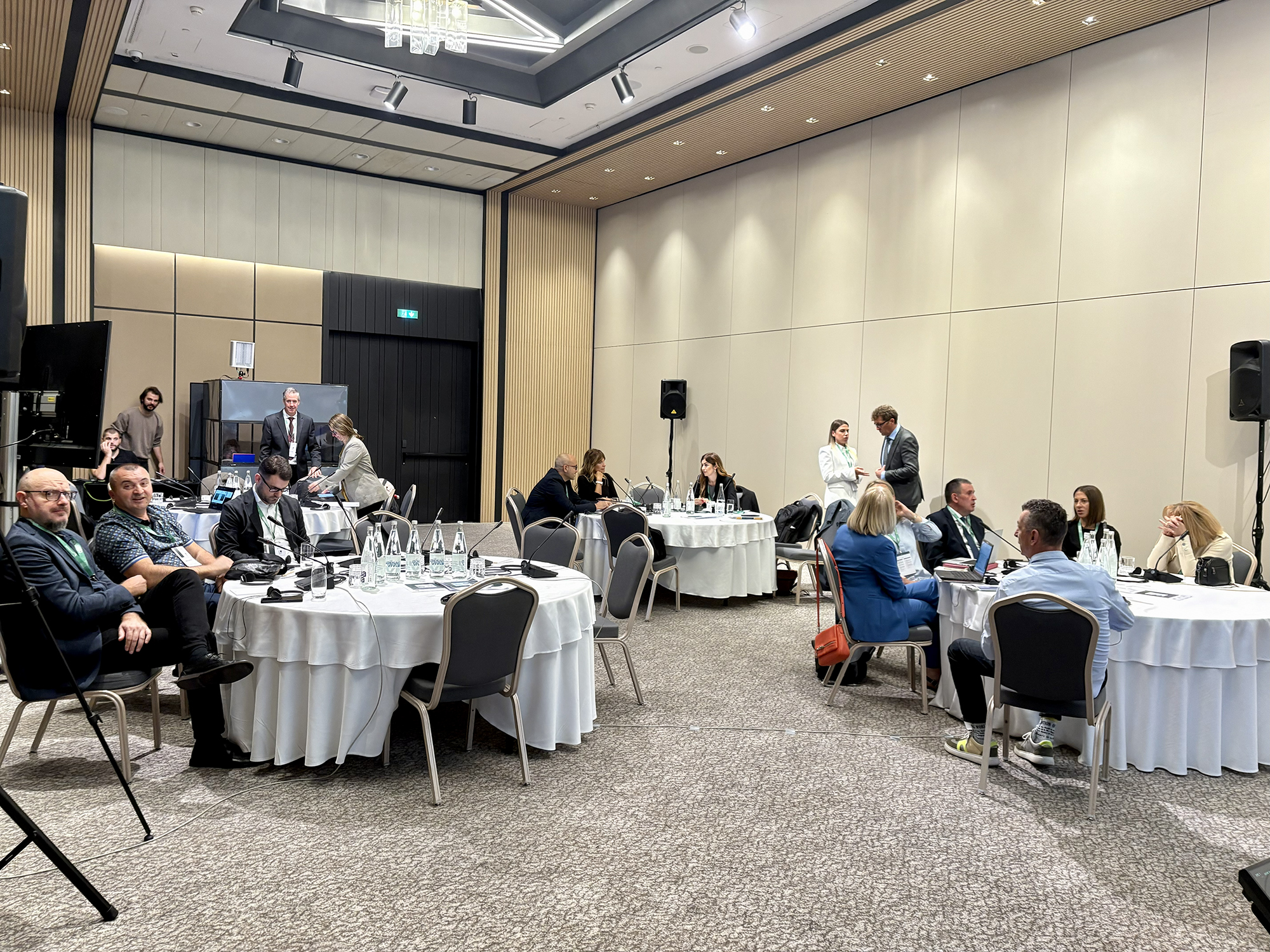
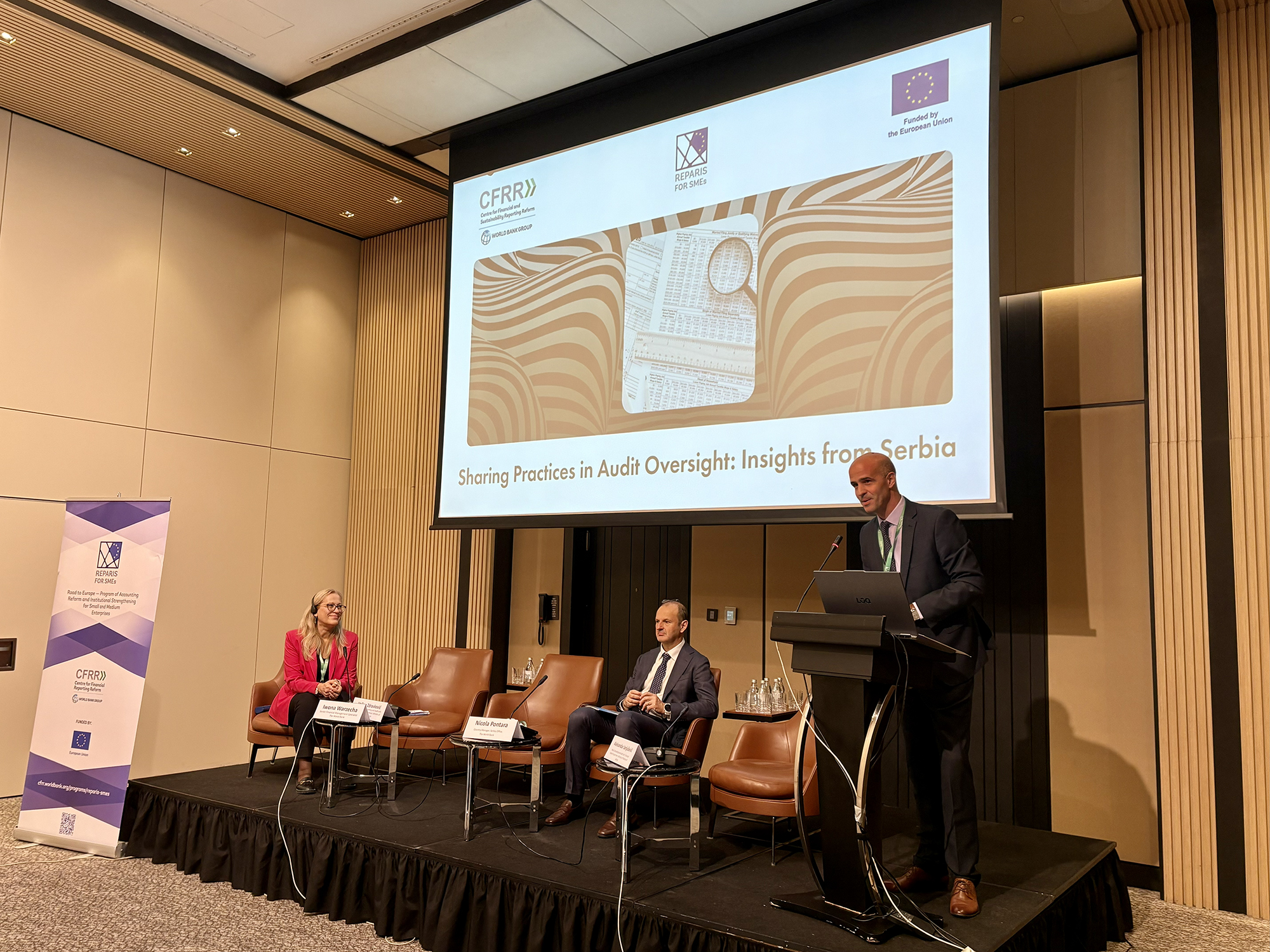
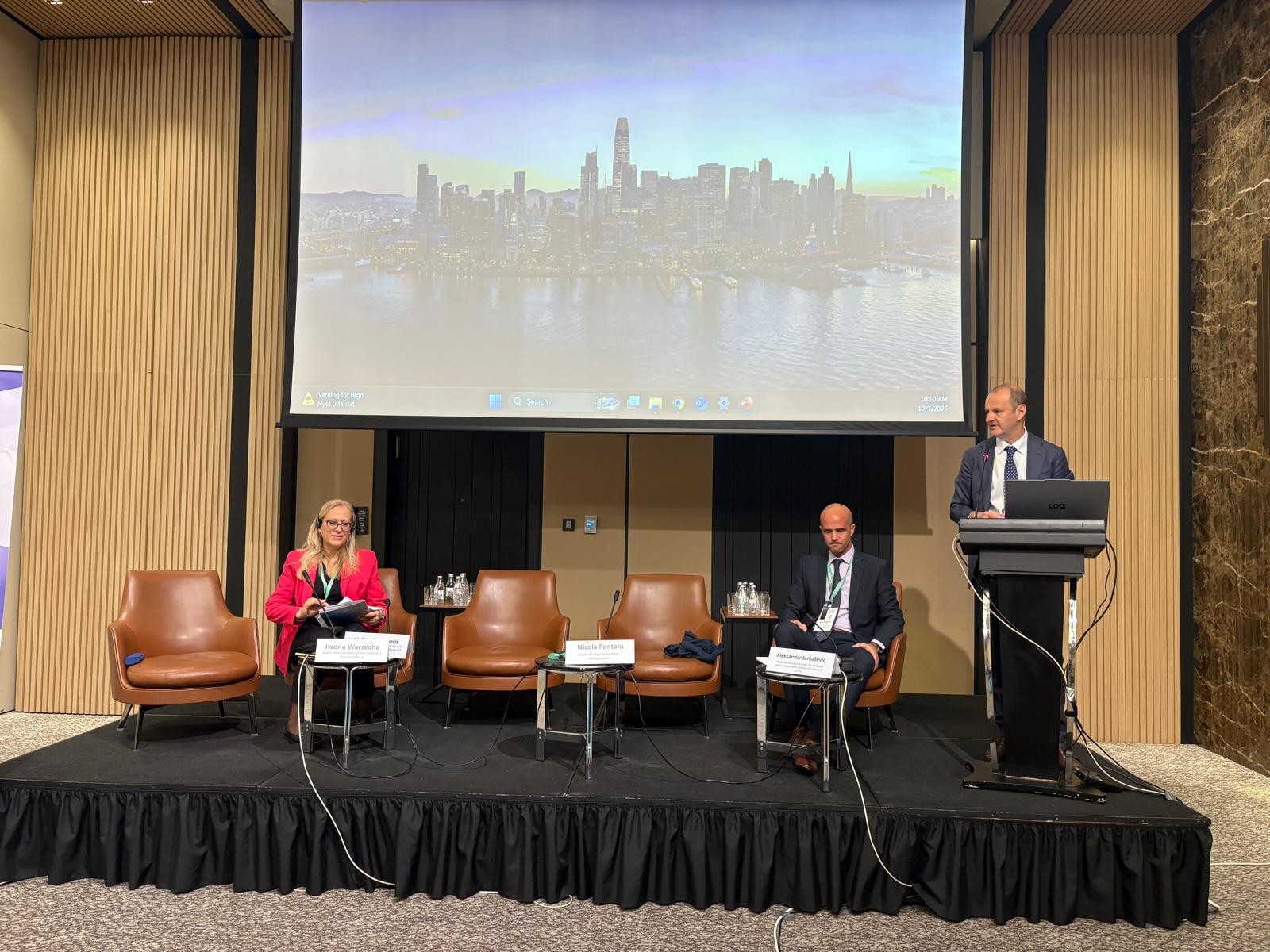
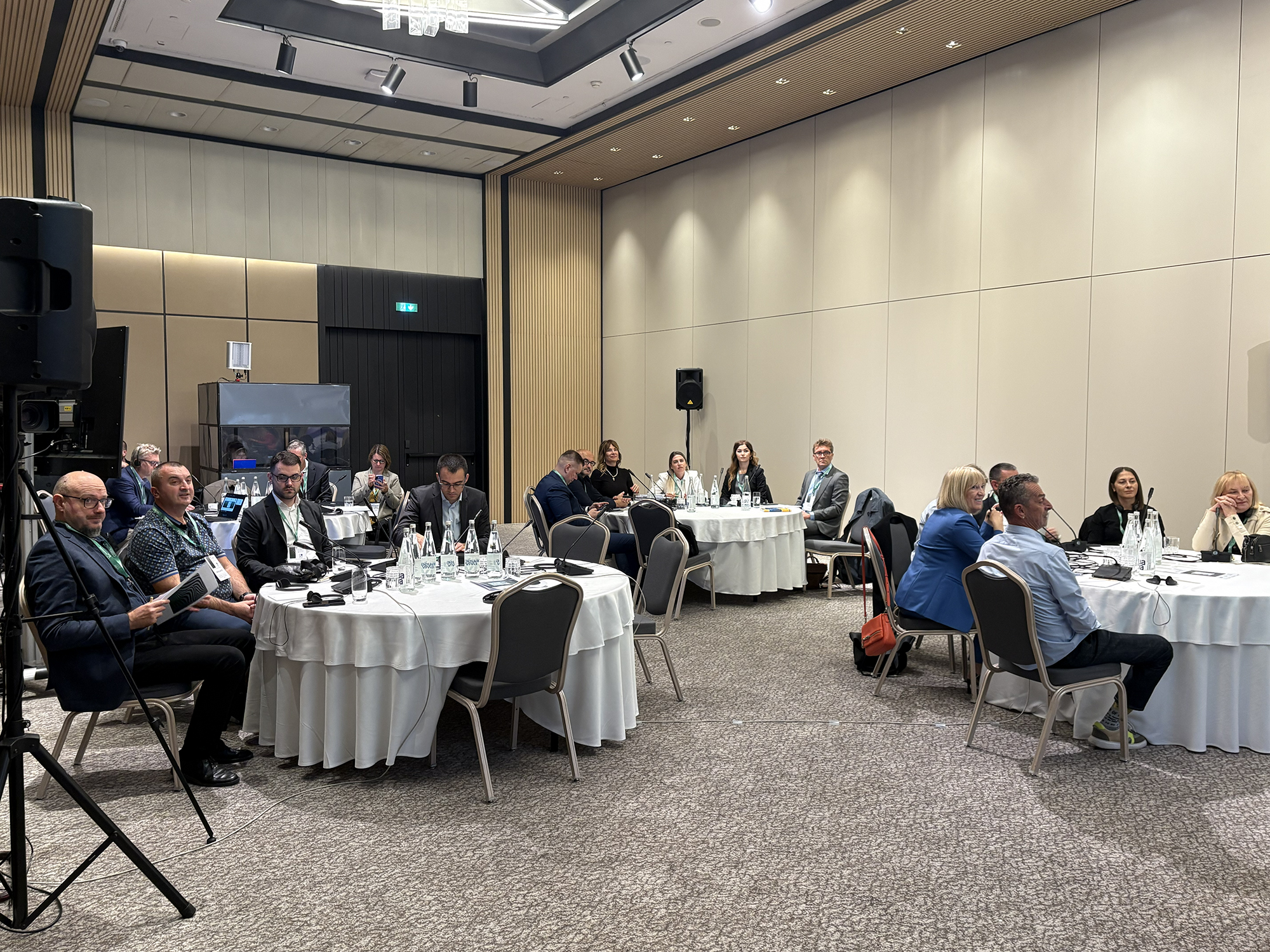
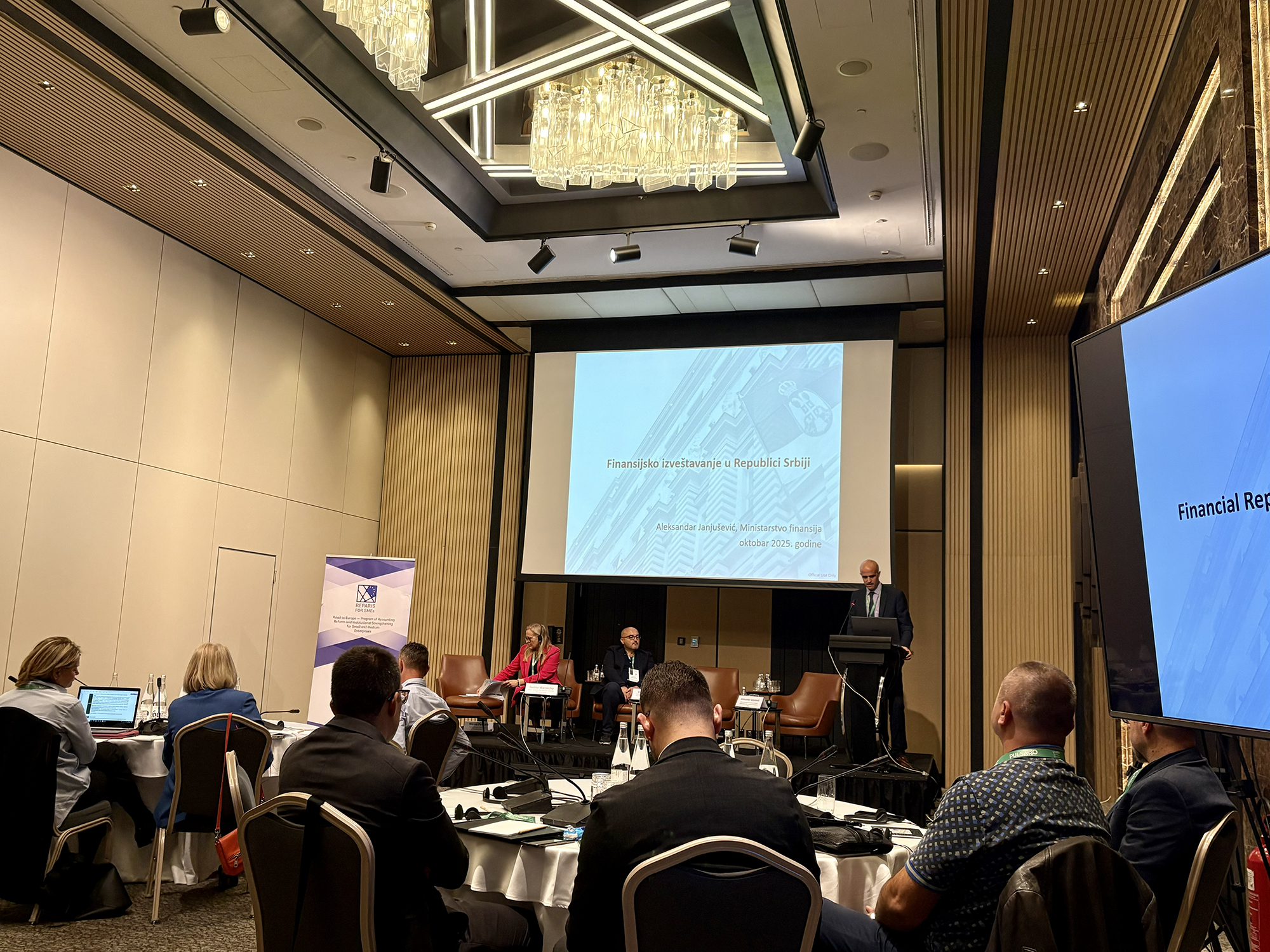
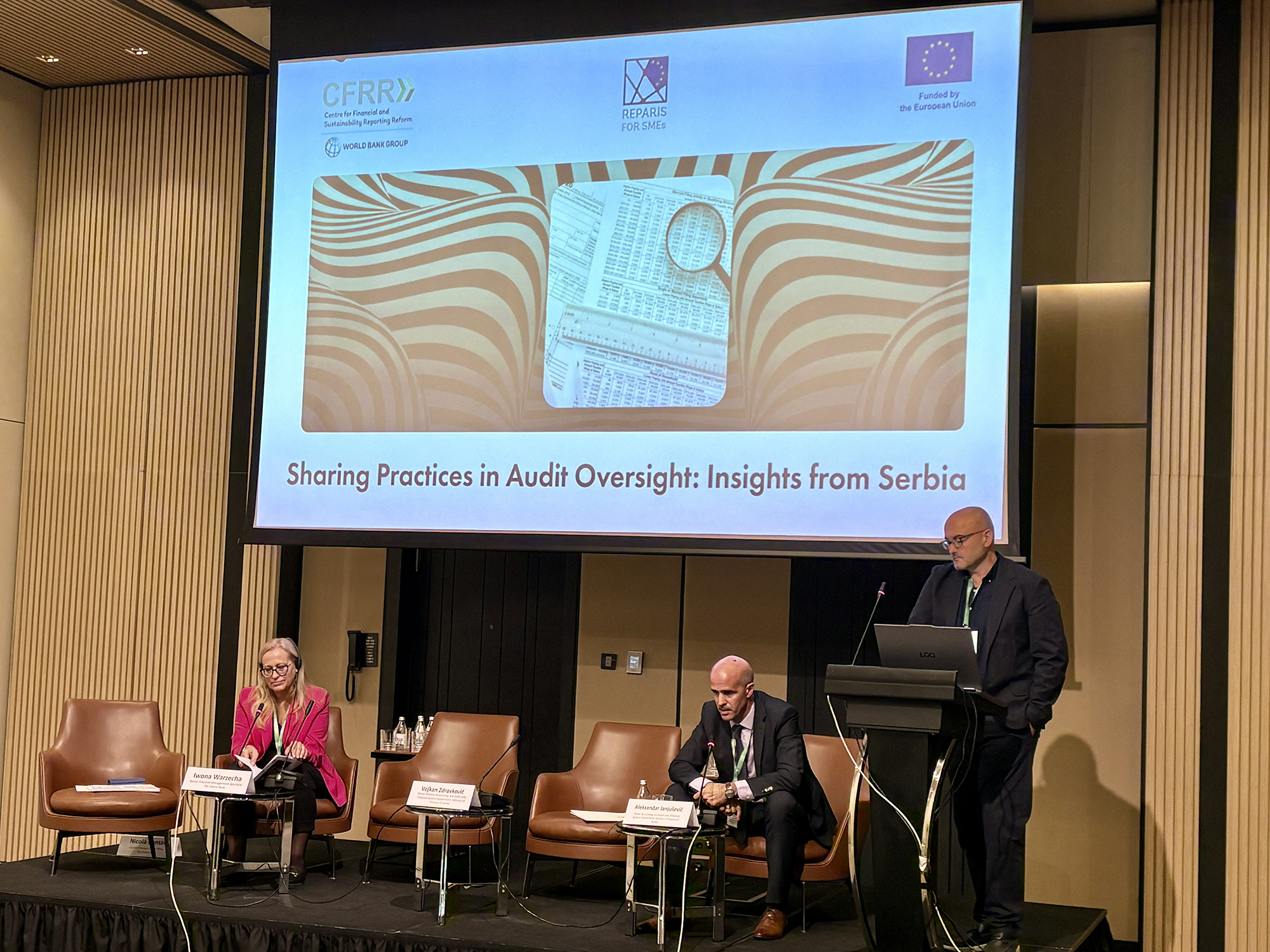
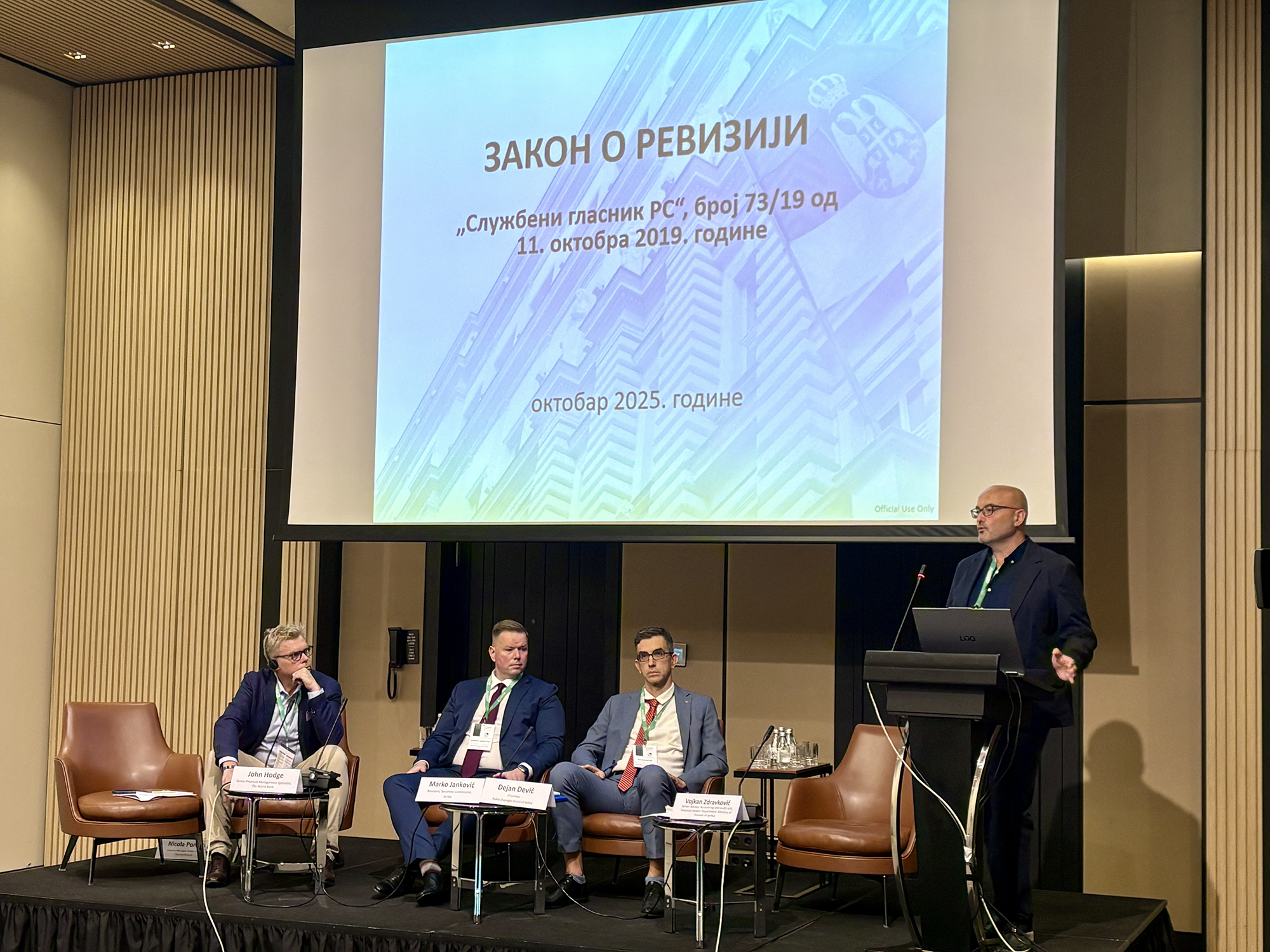
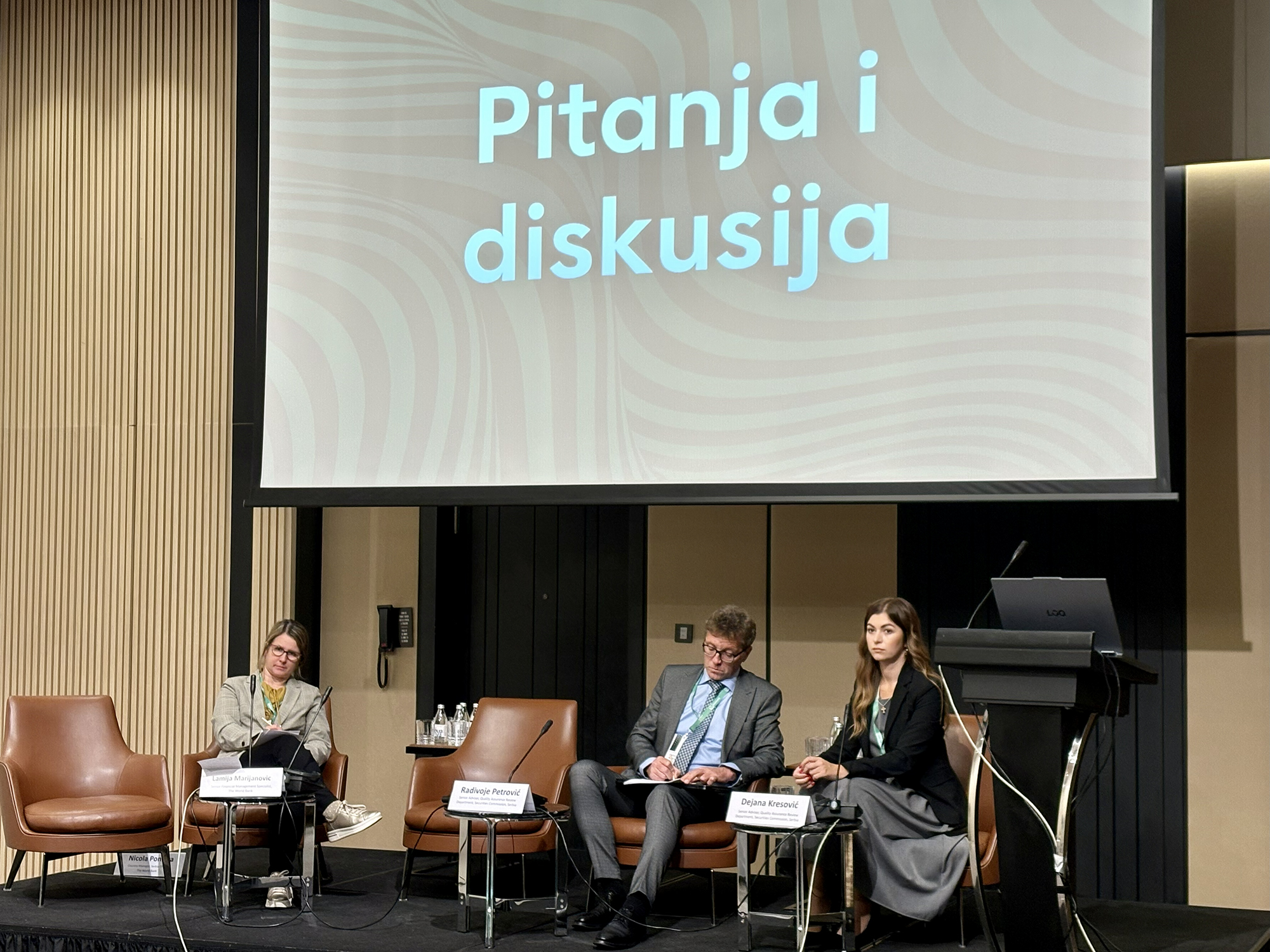
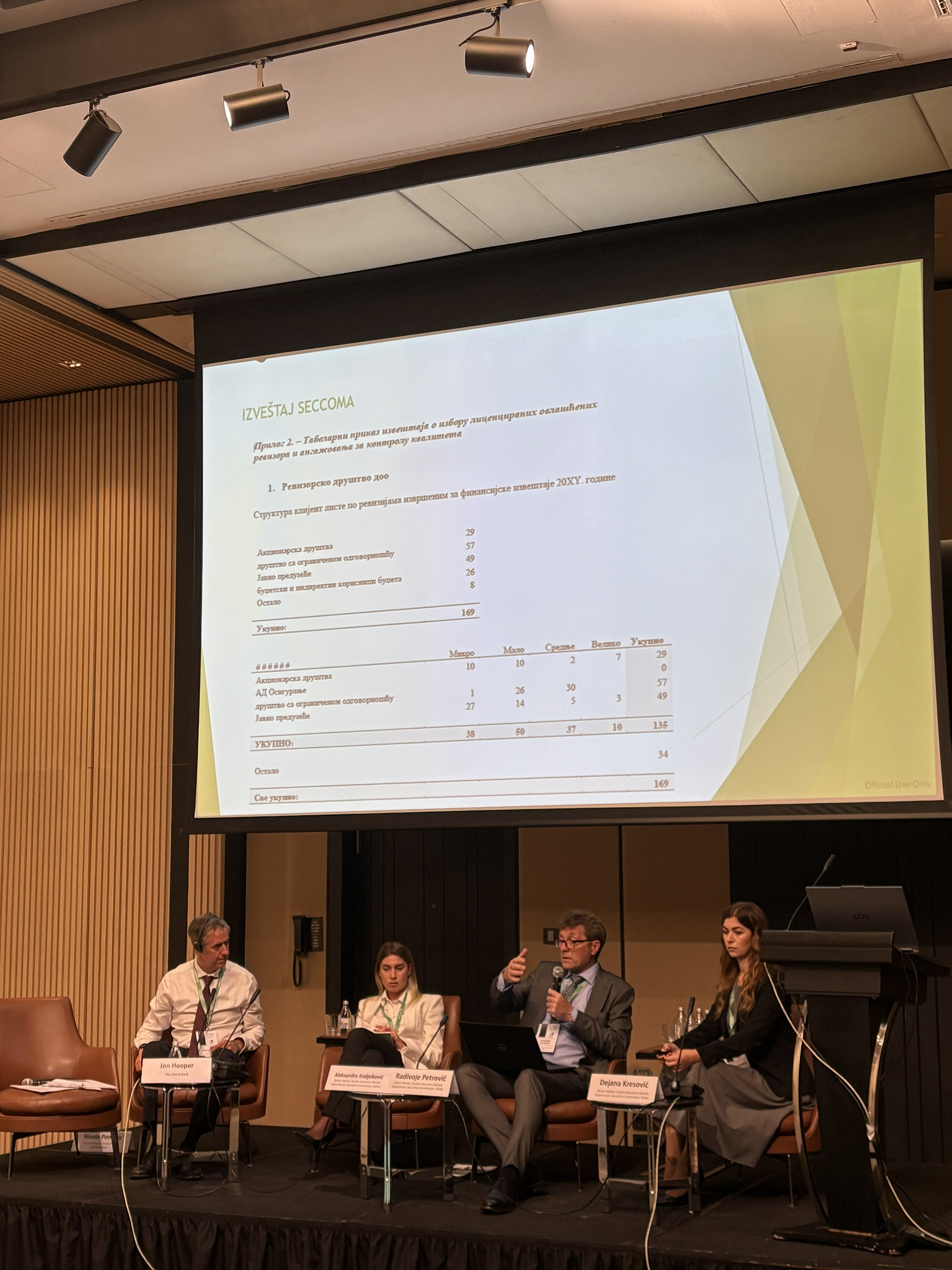
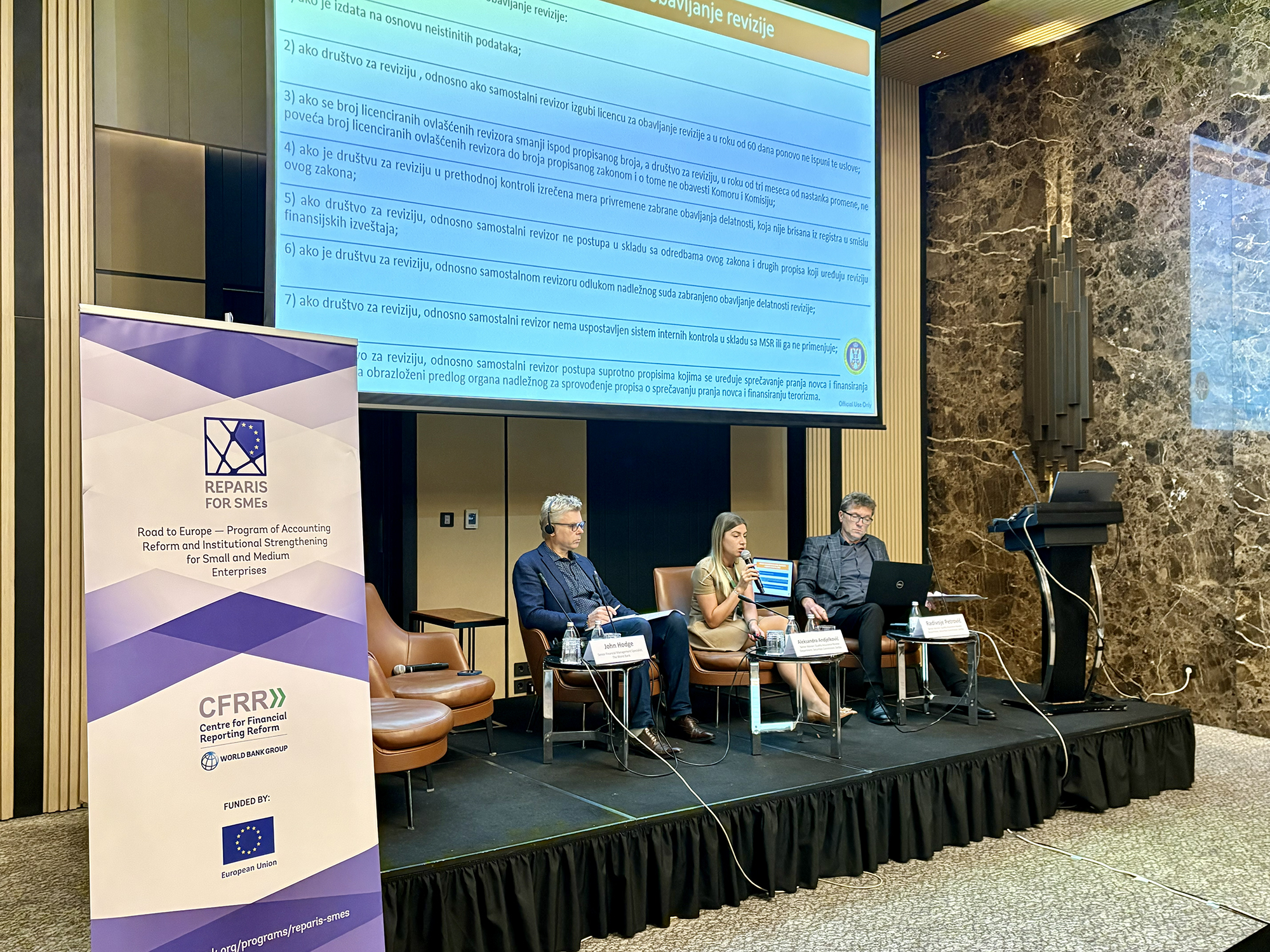
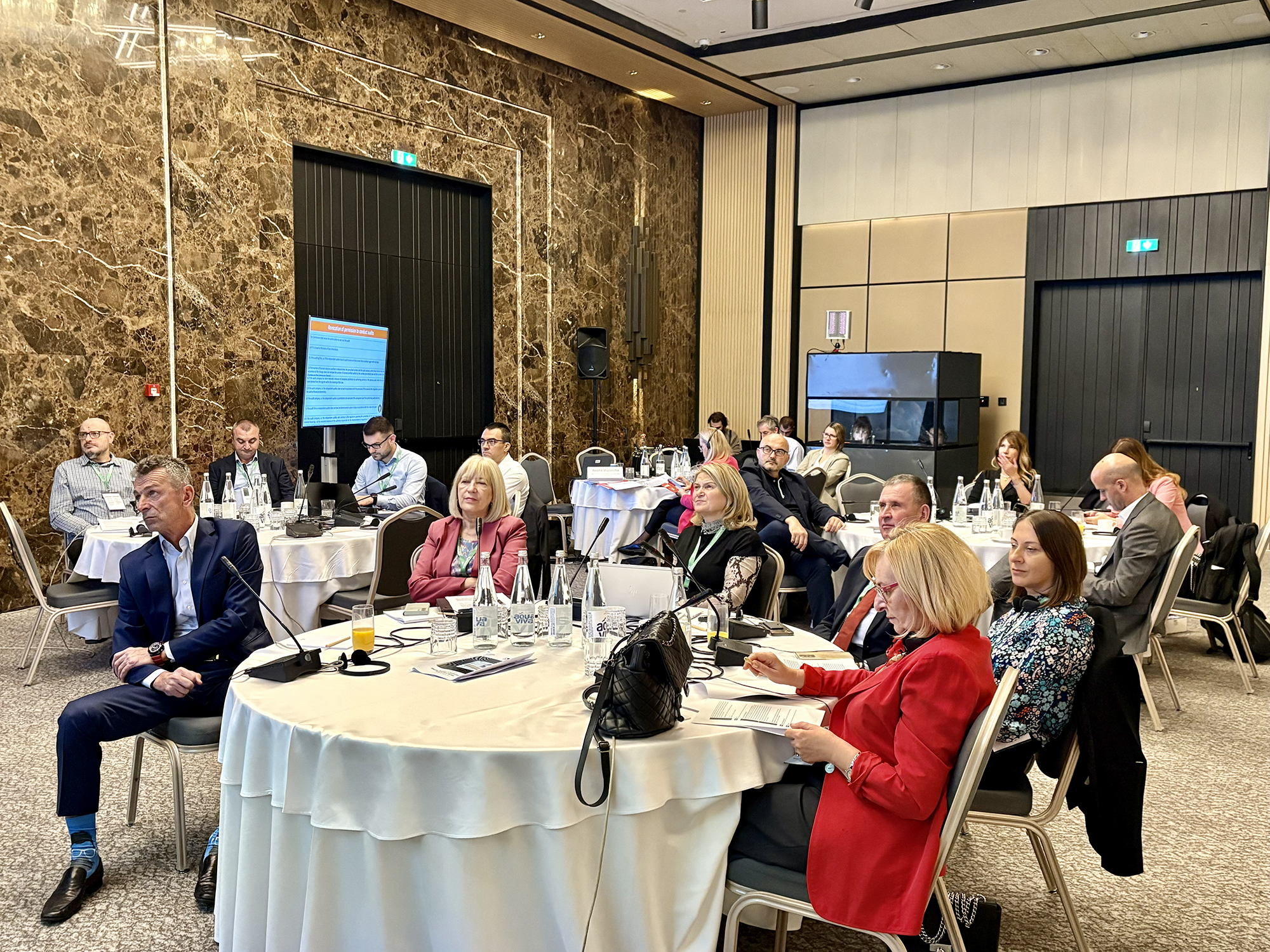
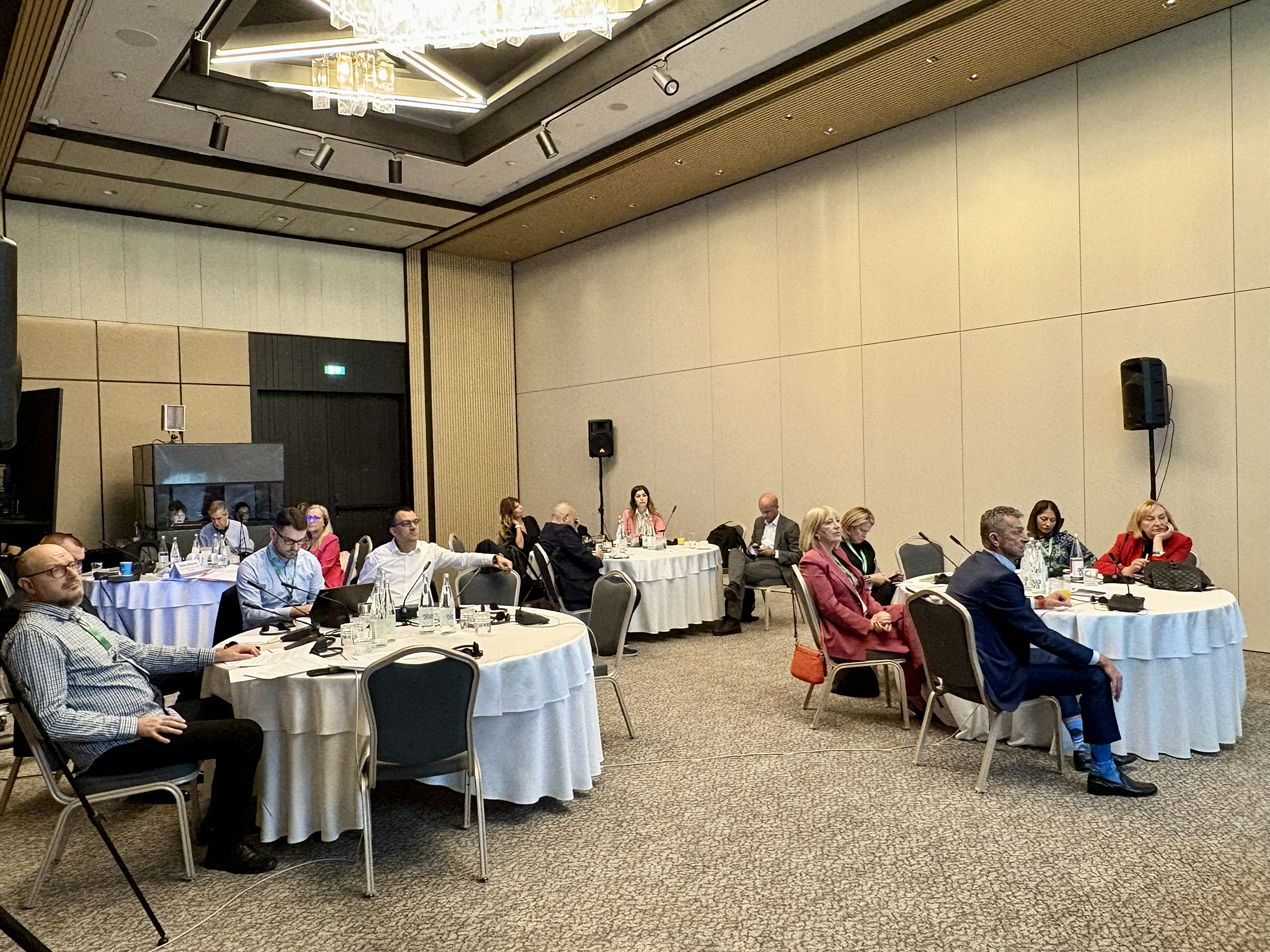
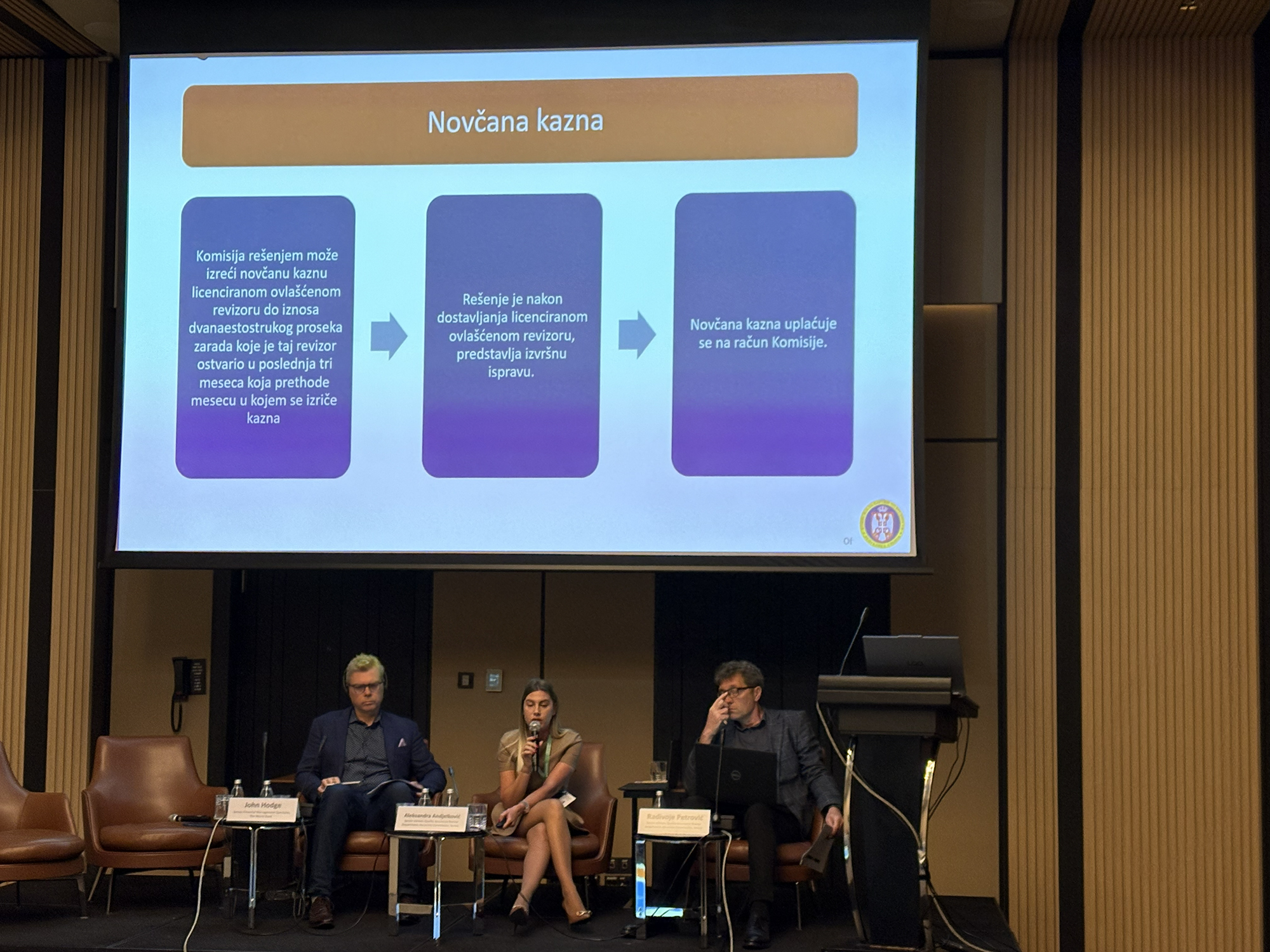
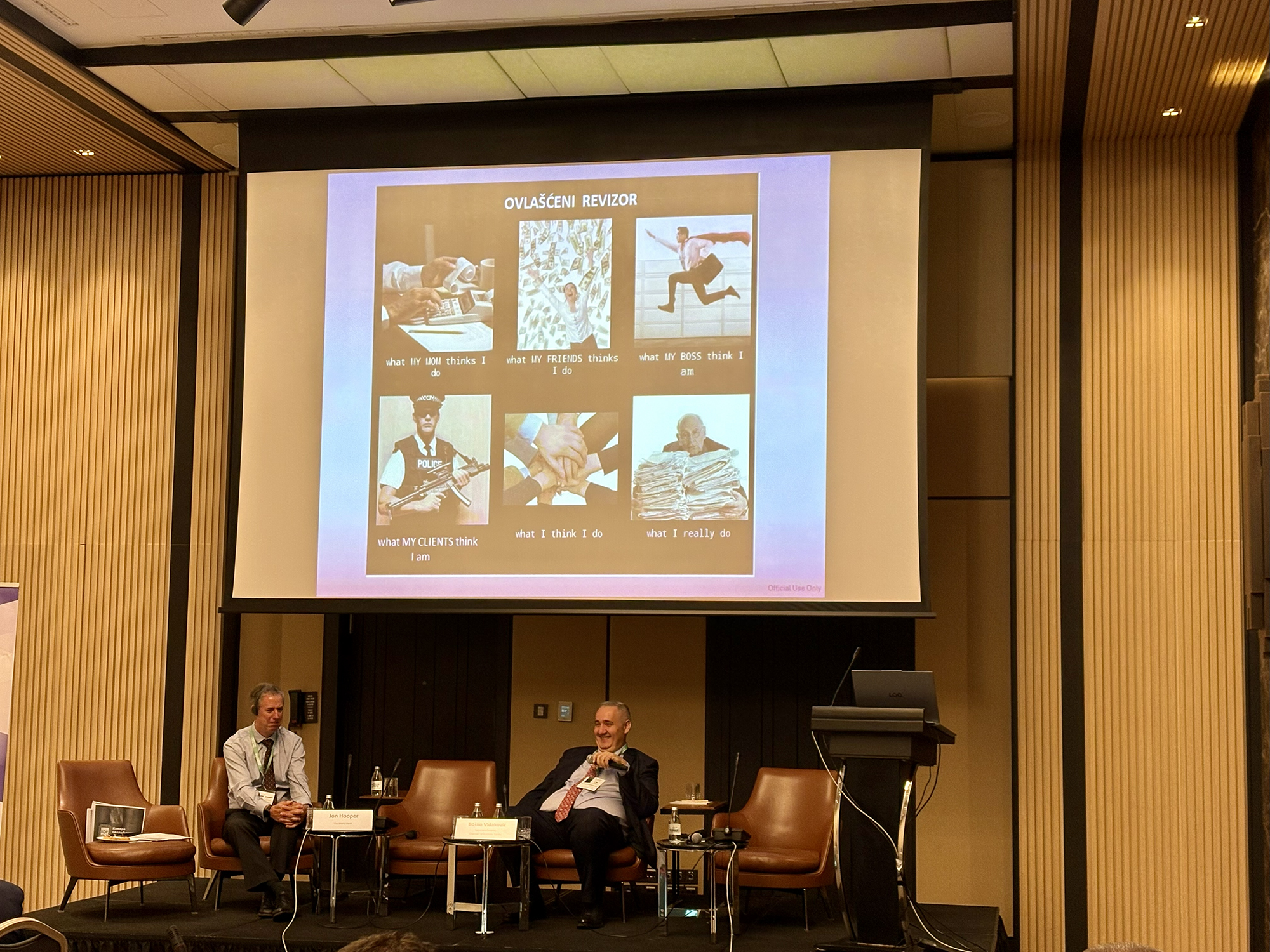
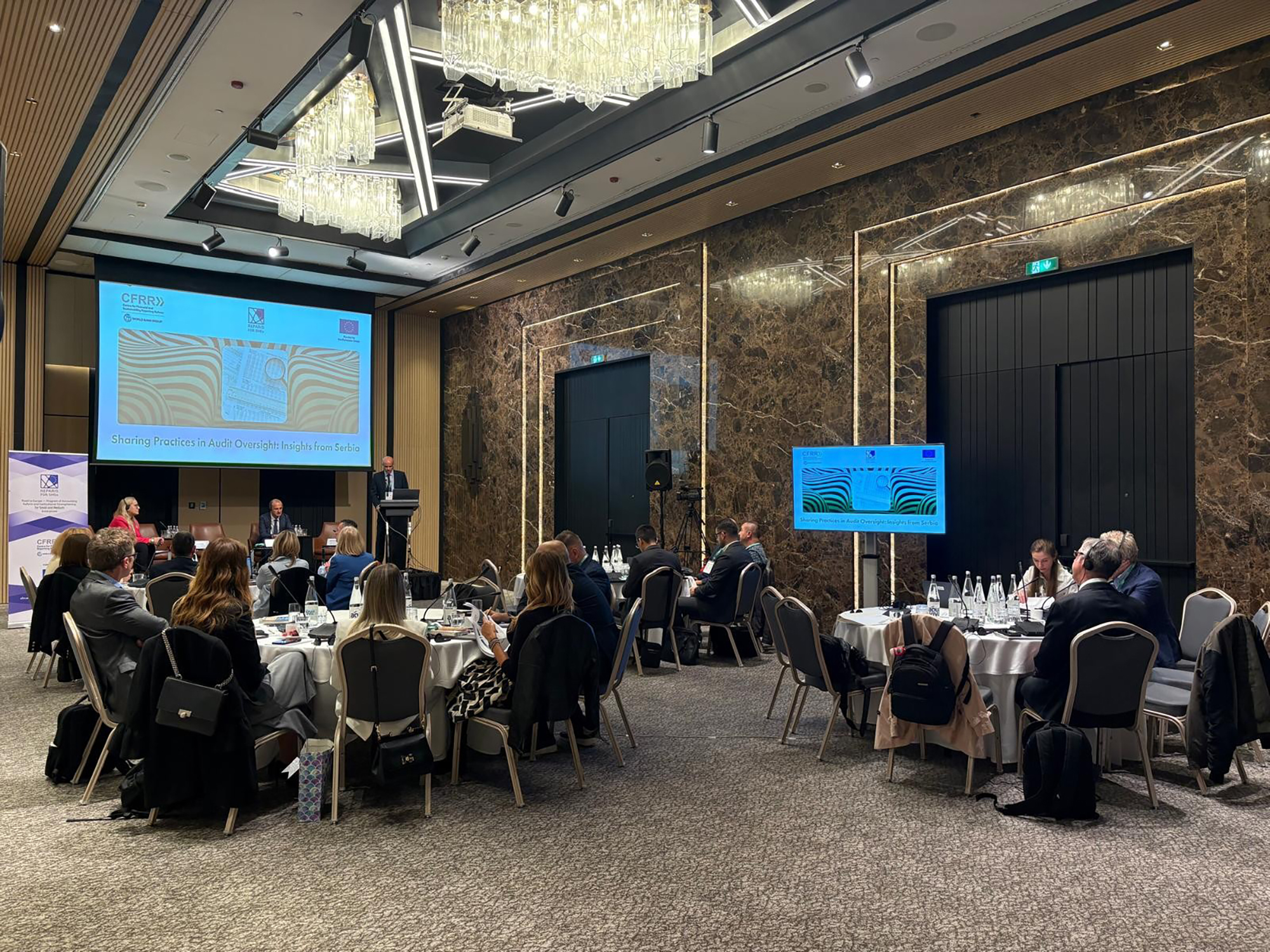
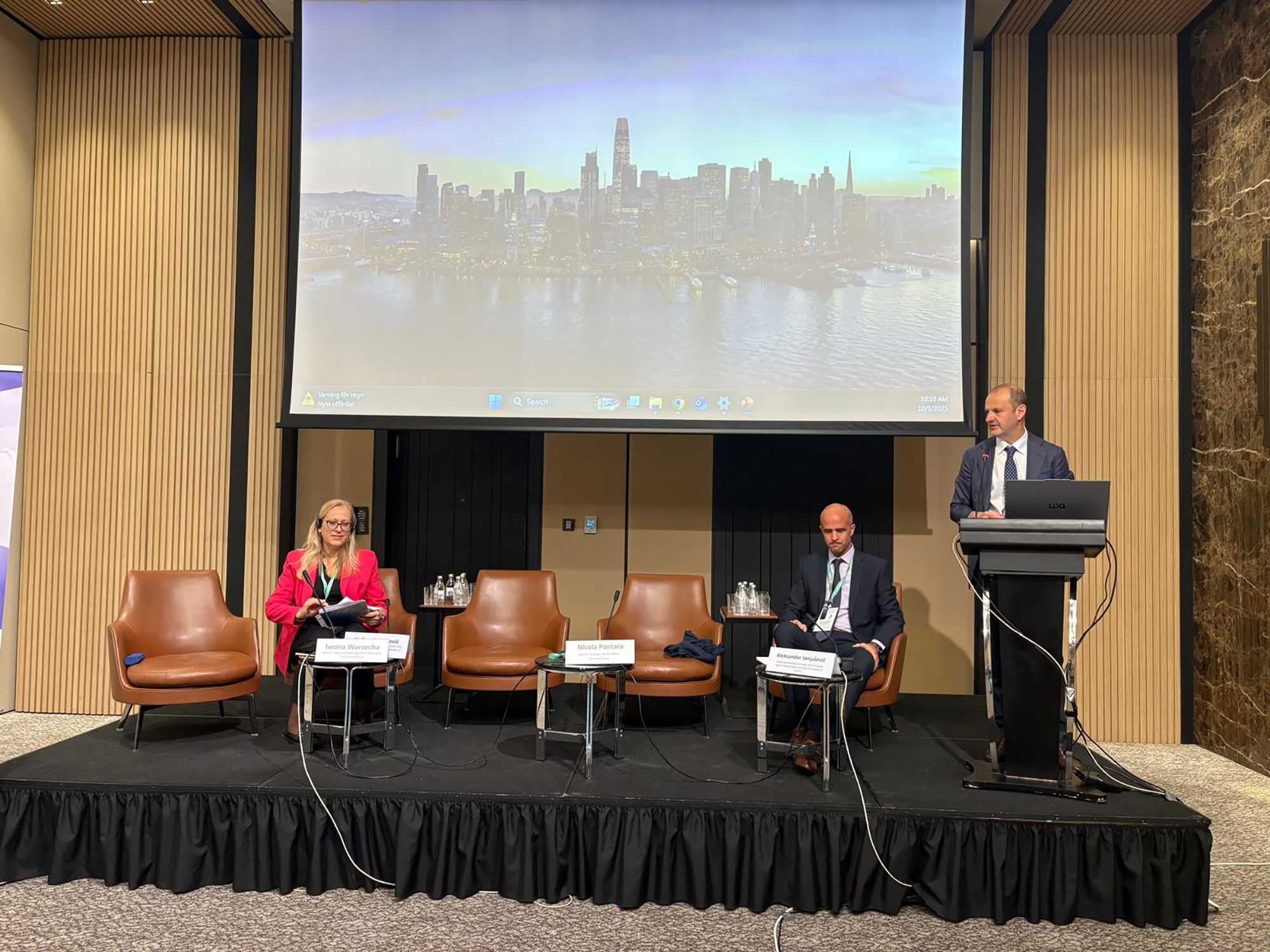
A focused session provided an in-depth analysis of Serbia’s investigative and enforcement framework, outlining the procedures for administrative actions, available sanctions and guidelines for determining fines, license revocations and public reprimands. The discussion underscored the Securities Commission’s responsibility to deliver equitable and proportionate responses to audit deficiencies, as well as the significance of maintaining a publicly accessible registry of sanctions to uphold transparency and accountability.
The Chamber of Auditors of Serbia presented its work on regulating the profession, setting educational and ethical standards and enforcing disciplinary measures. The Chamber also described its initiatives related to continuous professional development, ethical conduct and transparency, identifying these as important aspects for the audit profession in Serbia.
The event facilitated constructive dialogue among participants from Bosnia and Herzegovina’s Federation, Republika Srpska and Brčko District. Discussions centered on the advantages and challenges associated with creating a unified supervisory authority, emphasized the necessity for formalized cooperation, and highlighted the importance of aligning national legislation with EU directives and regulations. Participants outlined practical next steps, including continued joint discussions, enhanced information exchange and the development of legislative proposals aimed at further strengthening the audit oversight system.