
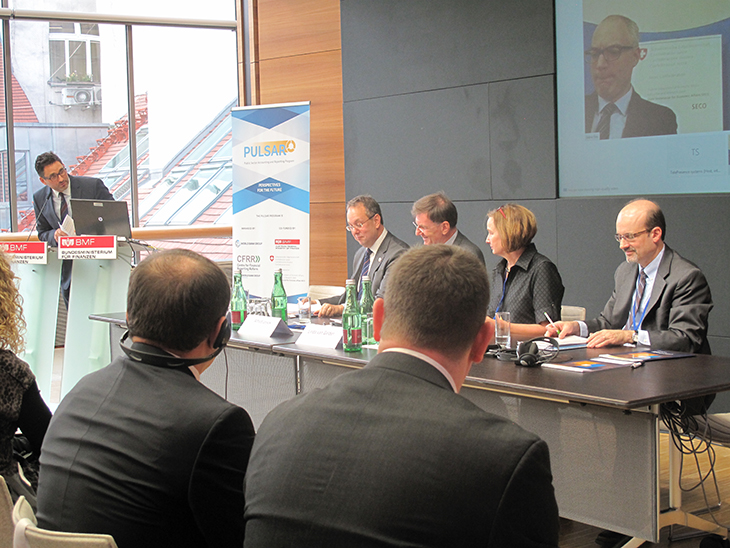
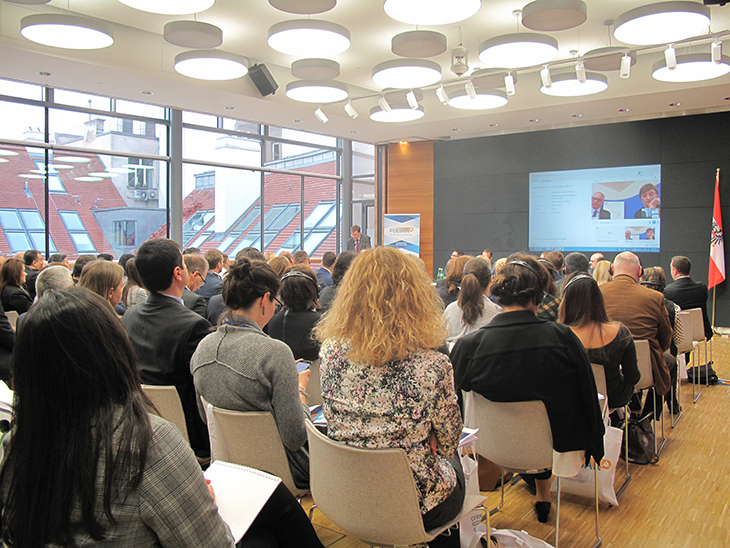
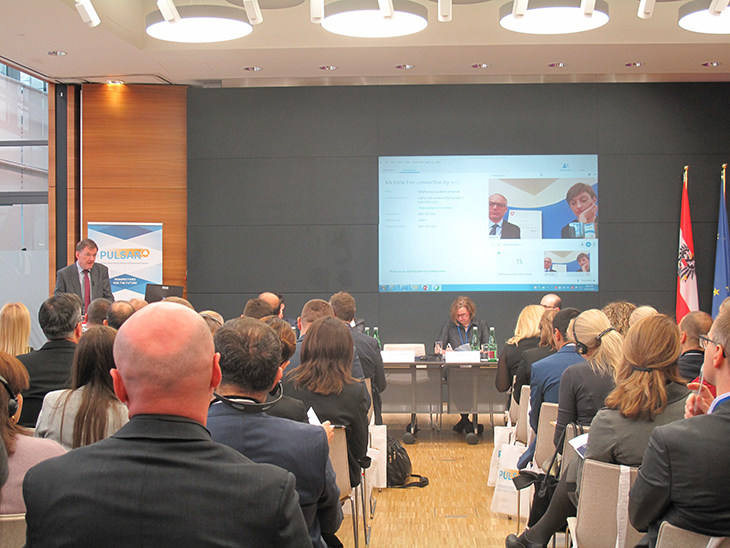
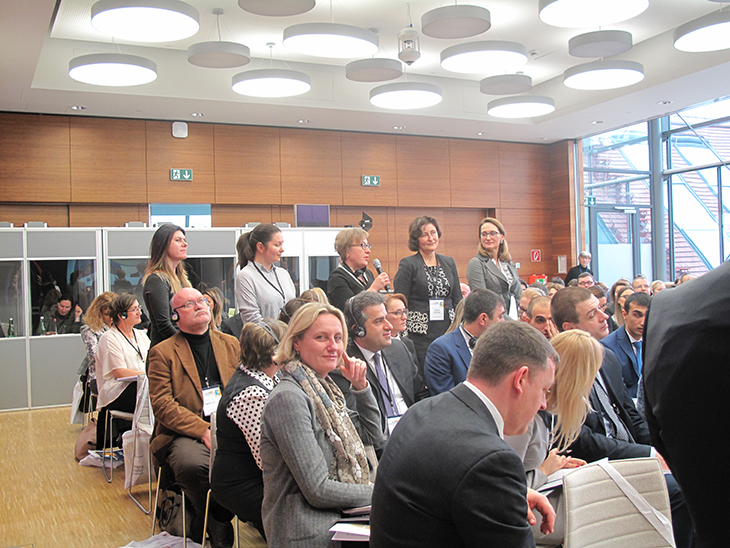
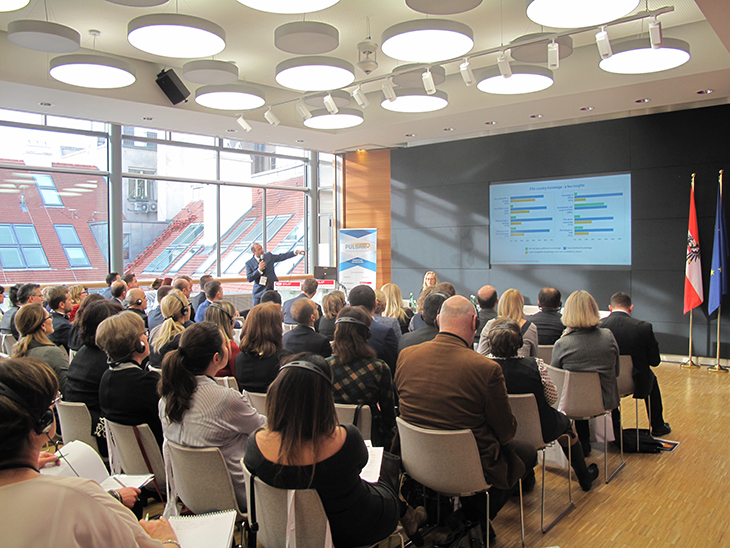
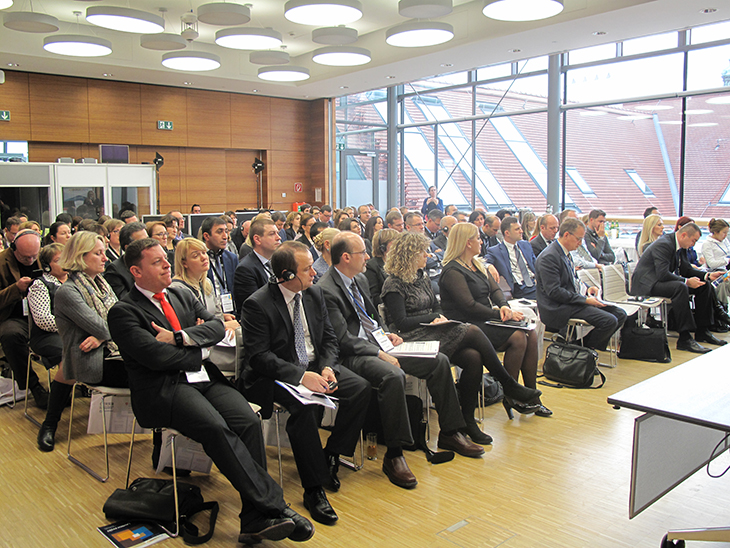
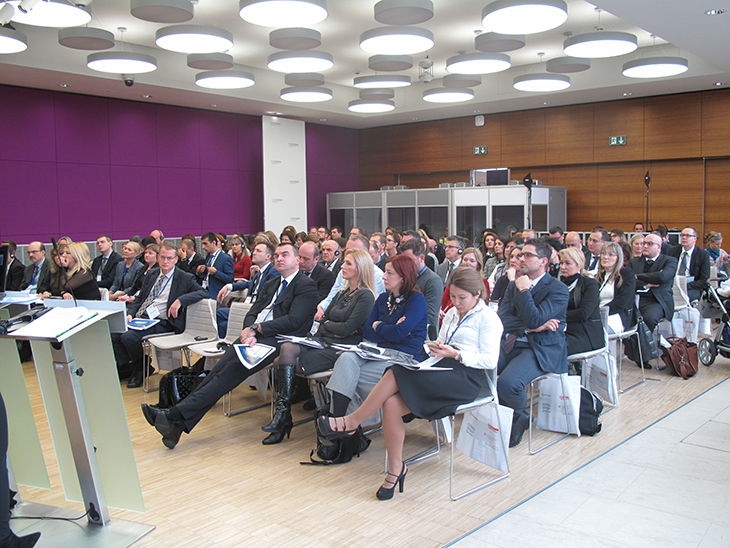
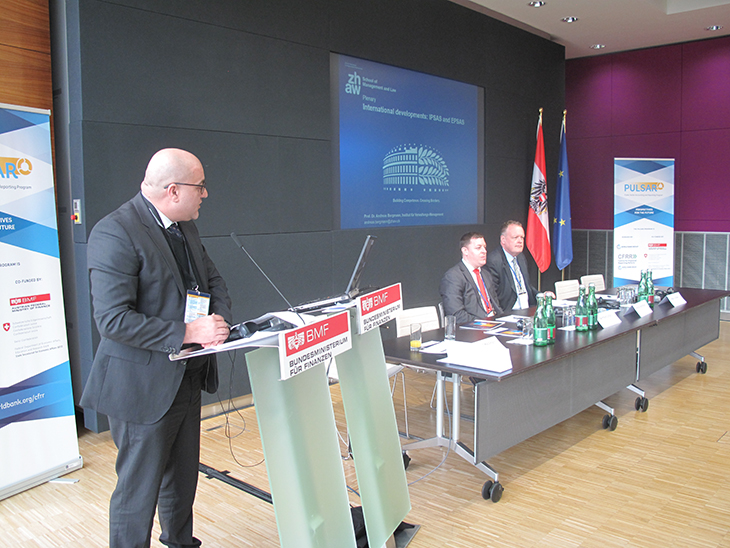
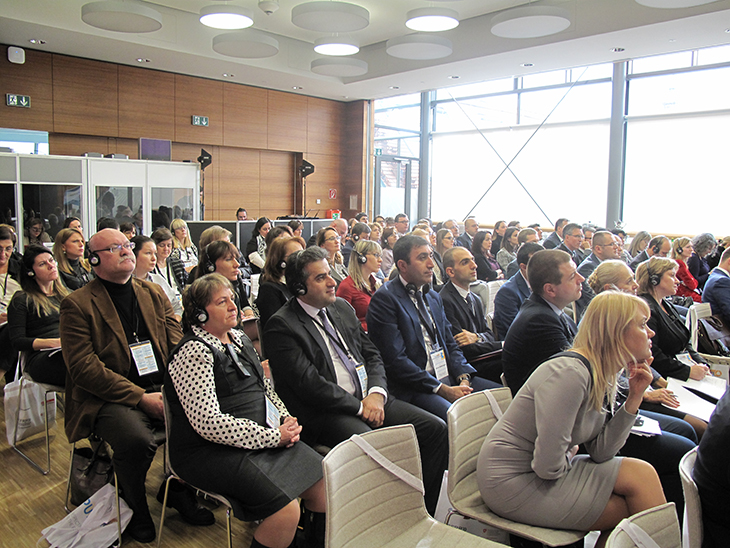
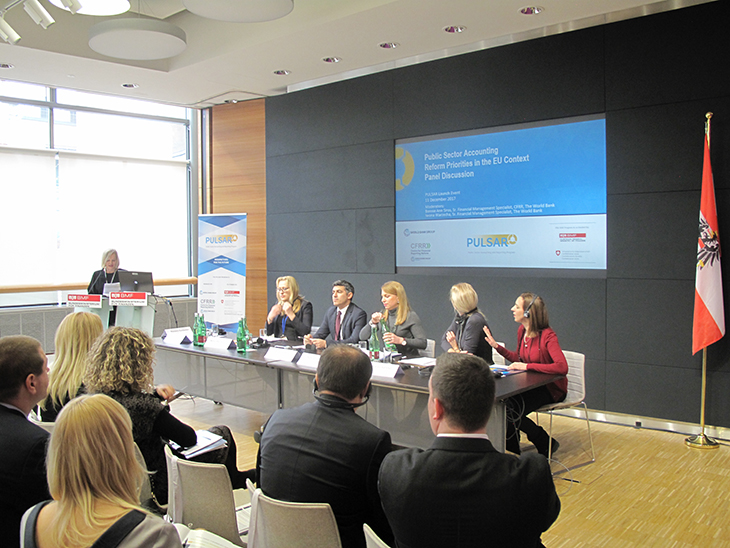
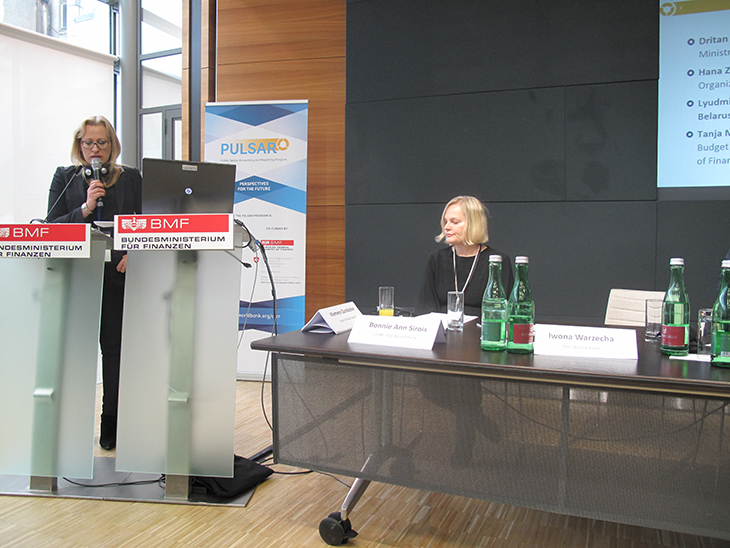
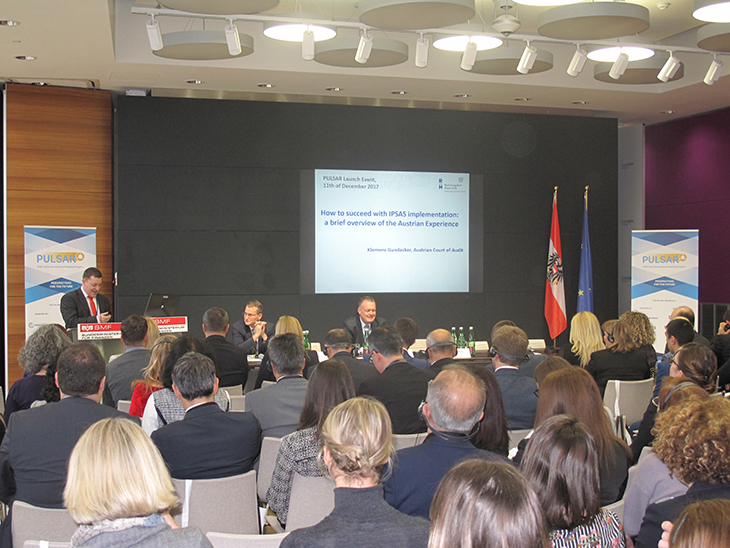
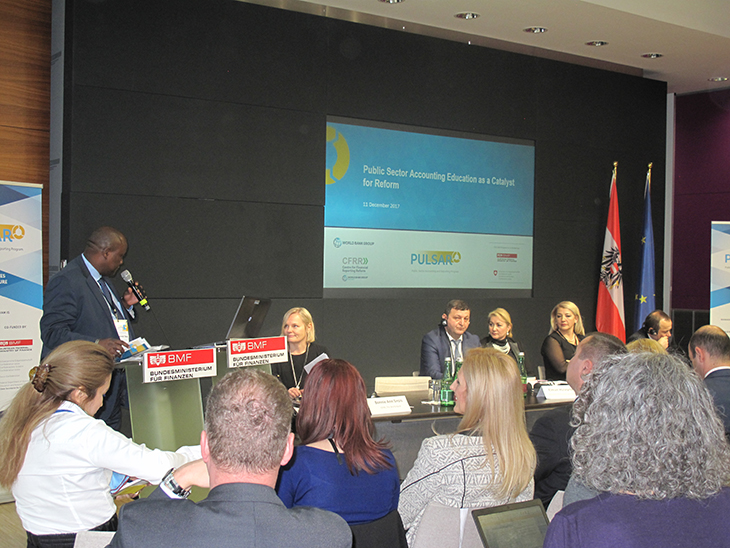
A new initiative aiming to increase transparency, accountability, and improve management of public resources through the enhancement of public sector accounting and financial reporting frameworks was launched in Vienna on December 11, 2017. The Public Sector Accounting and Reporting Program (“PULSAR”) delivers on a growing demand for a programmatic approach to strengthening public sector accounting through diagnostic assessments and capacity building targeted at public sector accountants, government institutions and a variety of other stakeholders. The PULSAR program launch event, hosted by the Ministry of Finance of Austria, was attended by around 90 participants from 13 PULSAR beneficiary countries: Albania, Armenia, Azerbaijan, Belarus, Bosnia and Herzegovina, Croatia, Georgia, Kosovo, FYR Macedonia, Moldova, Montenegro, Serbia and Ukraine. Co-funded by the Austrian and Swiss governments and managed by the World Bank, the PULSAR program will work with beneficiary countries at a regional and country level to raise awareness of the rationale for reform, support the design and implementation of financial reporting frameworks, and encourage the professional development of accountants and finance professionals.
Participants at the launch event were introduced to the rationale behind public sector accounting reform including to help address increased demand for fiscal transparency and discipline, more rigorous and transparent financial reporting practices, and enhanced accountability and public sector performance. PULSAR aims to develop global and regional networks to share knowledge, to help grow sustainable professional education and training programs, to support the design and implementation of financial reporting frameworks, and to encourage greater awareness among stakeholders and the society at large.
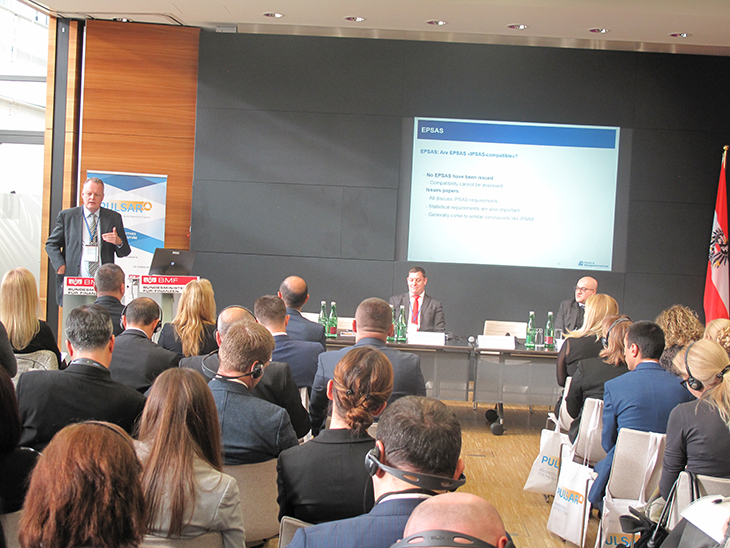
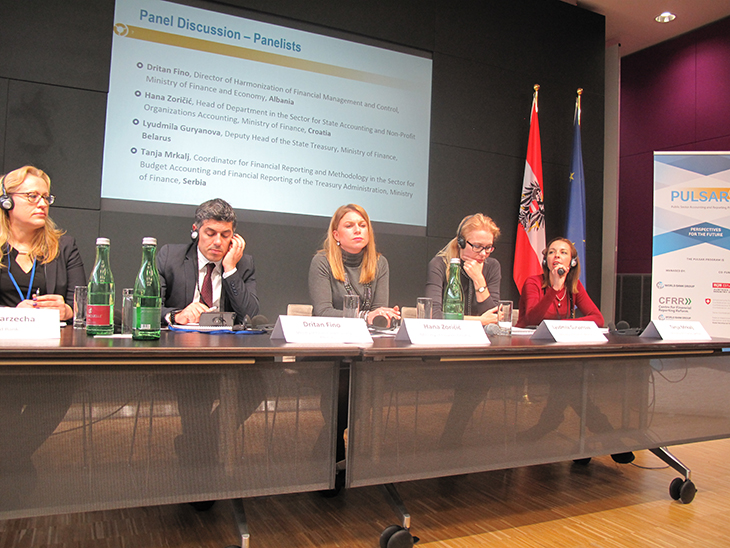
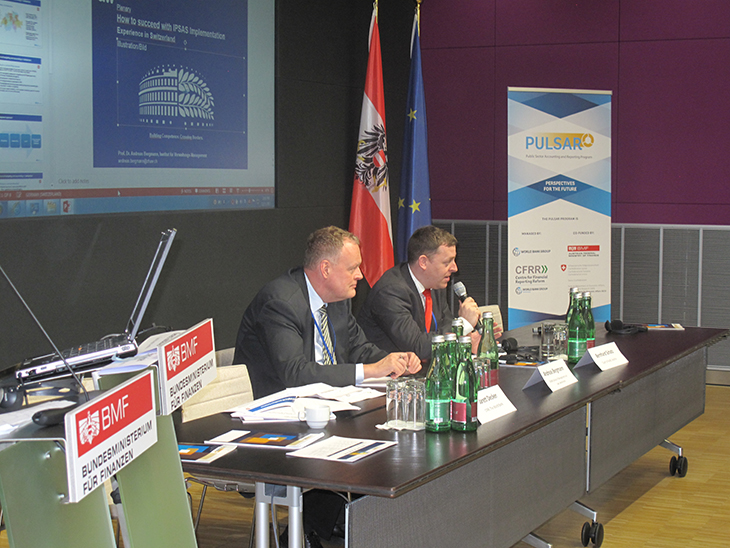
Discussions at the launch event considered in depth the current public sector accounting environment and potential areas for improvements. Speakers emphasized the need for reform based on good practices and recognized frameworks, such as International Public Sector Accounting Standards. There was also a focus on reform priorities in the context of the European Union; with speakers outlining the guiding principles behind public sector accounting reform in the EU member states, developments toward a European Public Sector Accounting Framework, and the extent to which these impacted beneficiary countries’ reform strategies. Experts from Austria and Switzerland offered an in-depth perspective of their countries’ successful experience implementing public sector accounting reform.
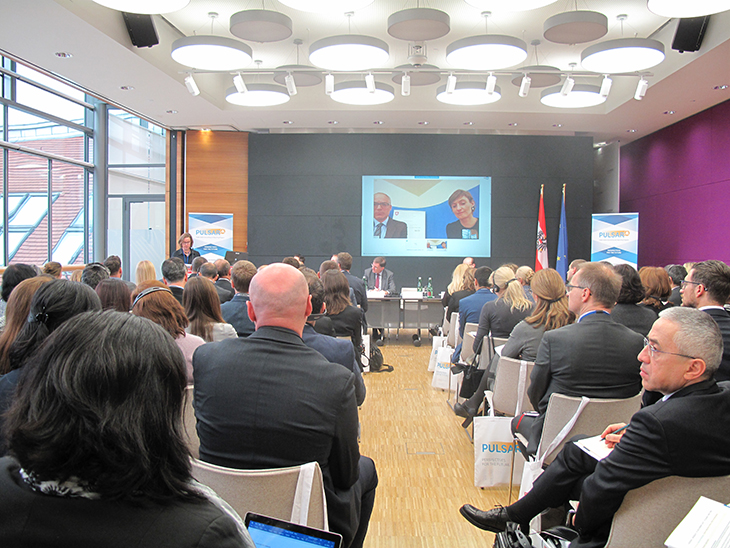
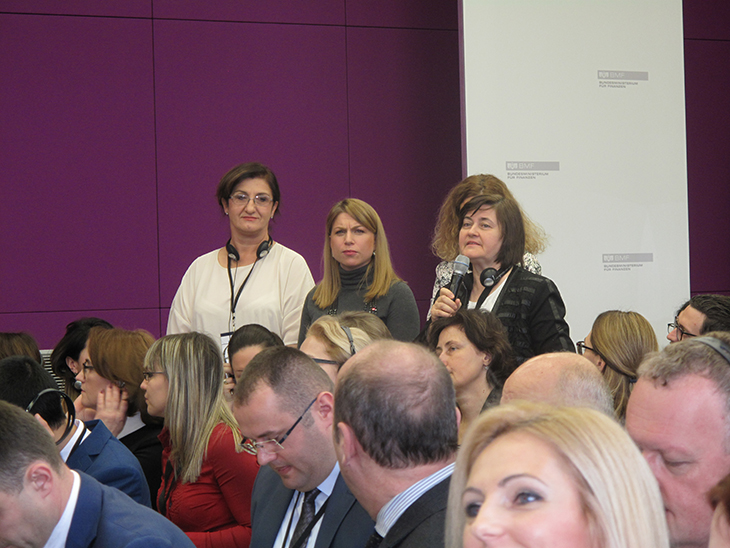
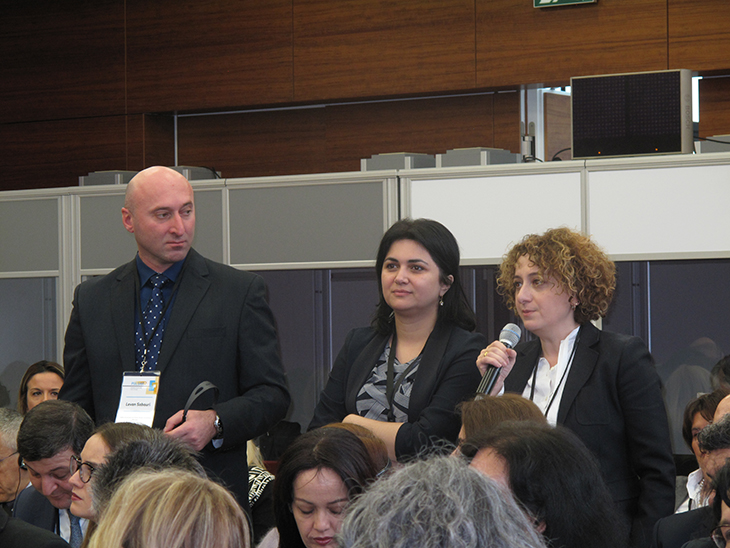
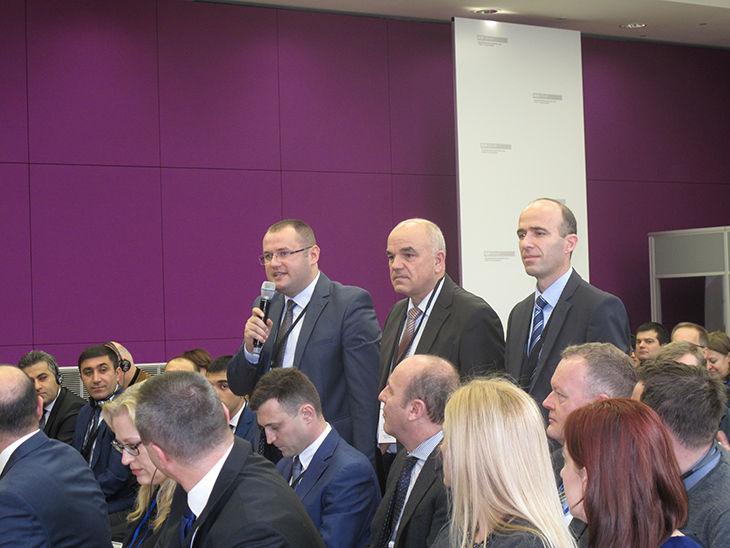

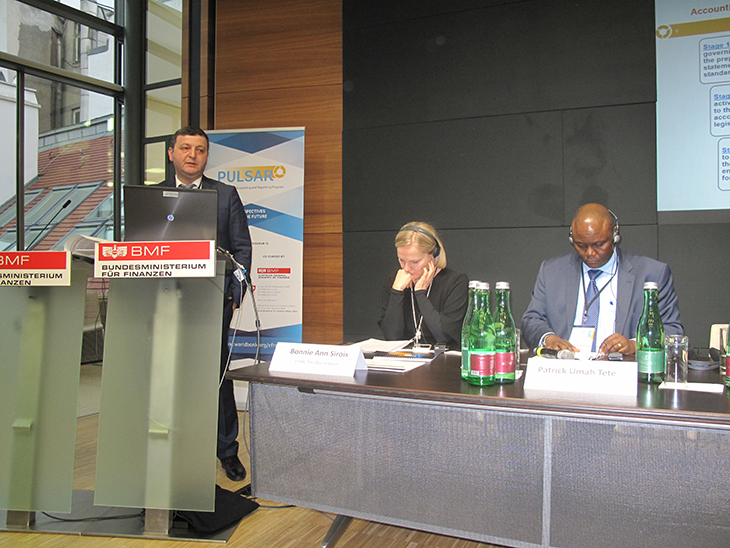
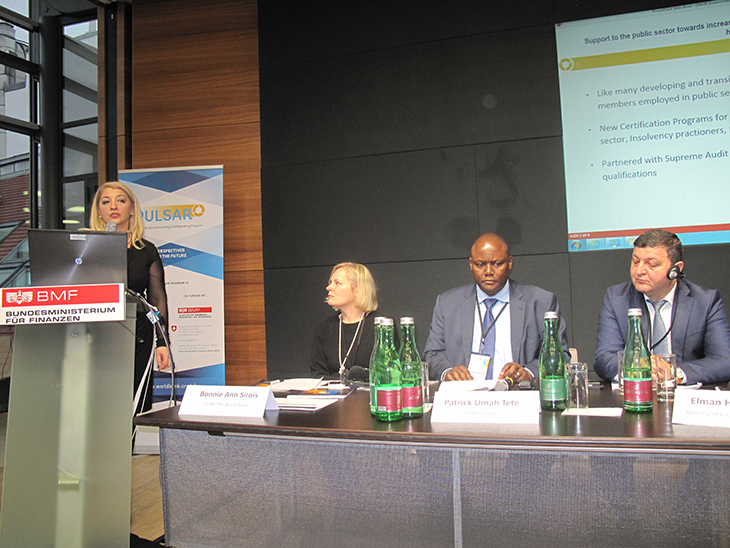
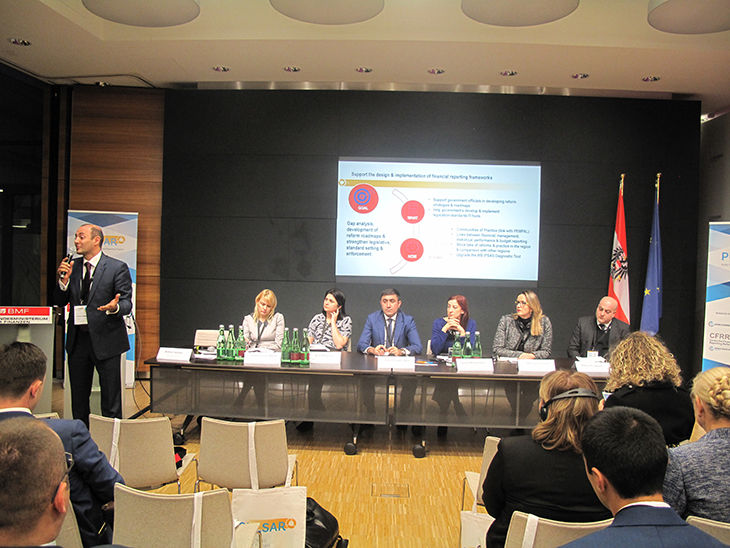
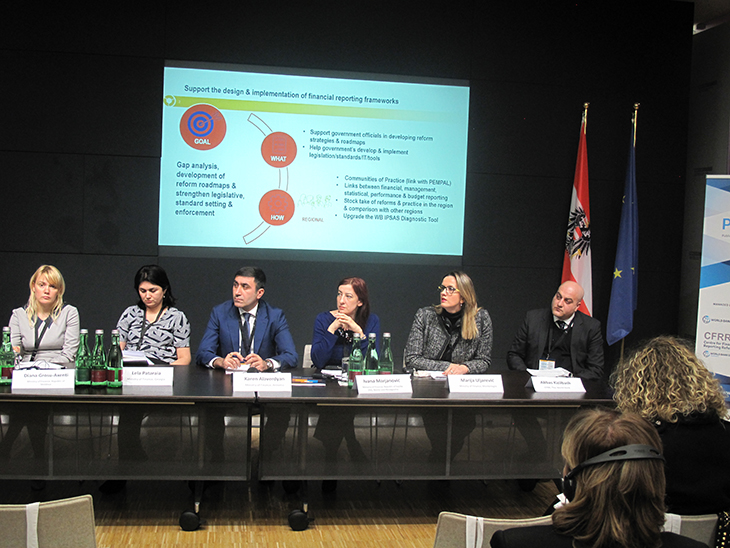
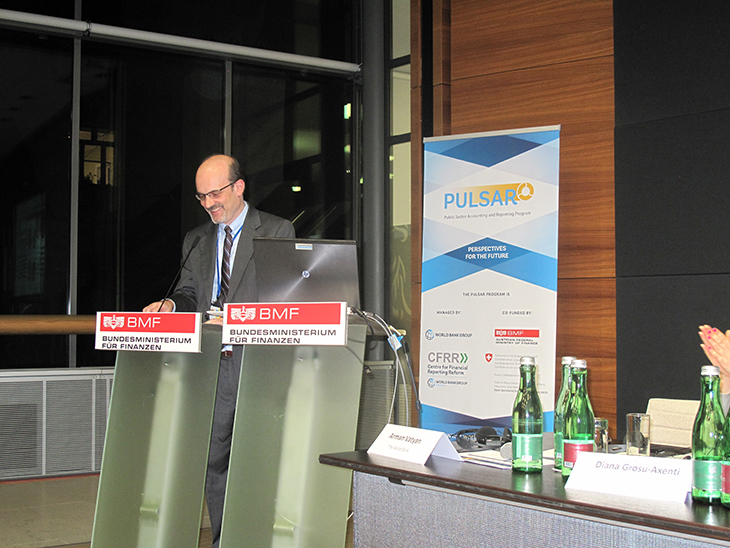
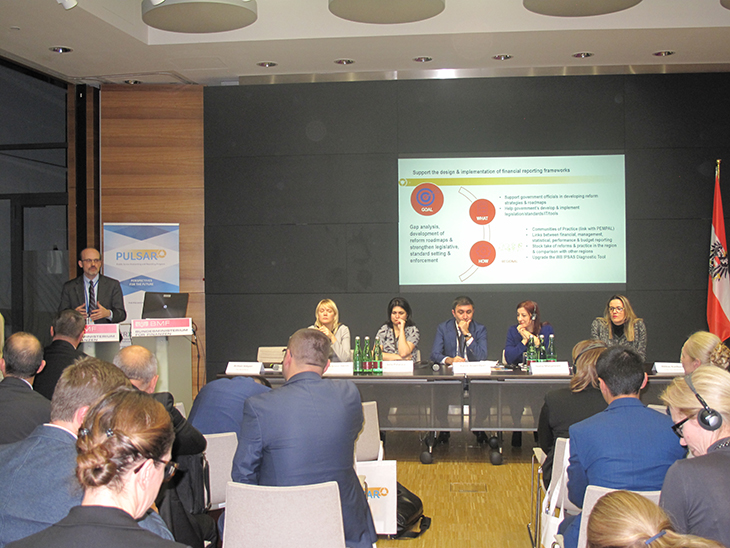
The PULSAR Financial Reporting Community of Practice (FinCoP) aims to support government officials manage public sector accounting reforms through gap analysis, developing reform strategies and roadmaps, and implementing improvements in areas including legislation, standard setting, regulation and enforcement, and information technology. It will also seek to improve the links between financial, management, statistical, performance, and budget reporting, and develop good practices and knowledge products to respond to the practitioners’ challenges identified in strengthening PSA frameworks. FinCoP includes practitioners from ministries of finance and treasuries of beneficiary countries in charge of PSA development. Within the framework of the FinCoP, peer assisted learning face to face meetings will be organized regularly for practitioners, each dedicated to one or more specific topics, such as PSA roadmaps and strategies, public sector financial reporting frameworks and legislation/regulation, national standards based on IPSAS and EPSAS developments, and unified charts of accounts. Working groups on priority topics will be established within the Community of Practice and related knowledge products will be developed by these groups for wider dissemination.